
Understanding the British Growing Season
The UK's temperate maritime climate creates both challenges and opportunities for vegetable growers. We're blessed with reliable rainfall and moderate temperatures, but we've also got shorter daylight hours and unpredictable frosts. The key is working with the seasons rather than against them.
Spring arrives later here than in continental Europe — typically late April before you can safely plant tender crops outdoors. Summer's wonderful but brief, usually peaking in July and August. Autumn extends well into October across most regions, giving you a decent window for cool-season crops. And winter? That's when proper planning pays off if you're growing hardy varieties or using cold frames.
Pro tip: Your last frost date matters enormously. In southern England it's late April. Scotland's closer to mid-May. Check your specific region — it's the single biggest factor determining when you can plant out.
Soil Preparation: The Foundation of Success
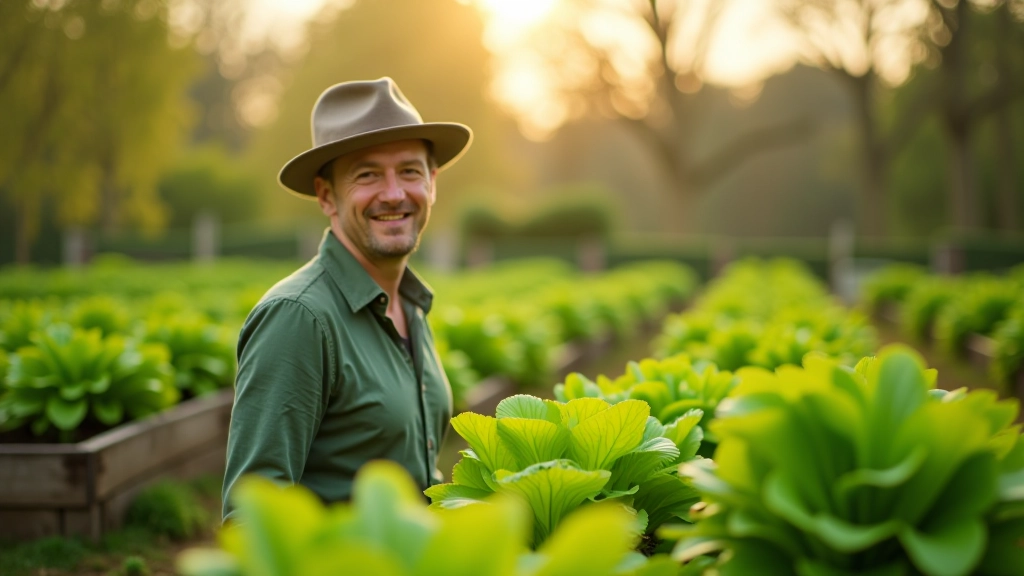
British soils vary wildly depending on where you are. Clay-heavy soils are common in the Midlands and South East. You'll find sandy, quick-draining soil in East Anglia. Scotland often has peaty, acidic ground. Whatever you've got, adding organic matter transforms it.
We're talking well-rotted compost, aged manure, or leaf mould. Work it in each autumn, and your soil improves year on year. Don't just dig it into the top few inches — you want it worked down to at least 30cm depth. This isn't just theory; it genuinely changes drainage, nutrient availability, and how well plants establish.
Soil Amendments by Type:
- Clay soils: Add sharp sand and compost to improve drainage
- Sandy soils: Incorporate peat-free compost for water retention
- Peaty soils: Add lime gradually to reduce acidity
- All soils: Mulch annually with 5cm organic matter
Choosing Vegetables for Your Climate
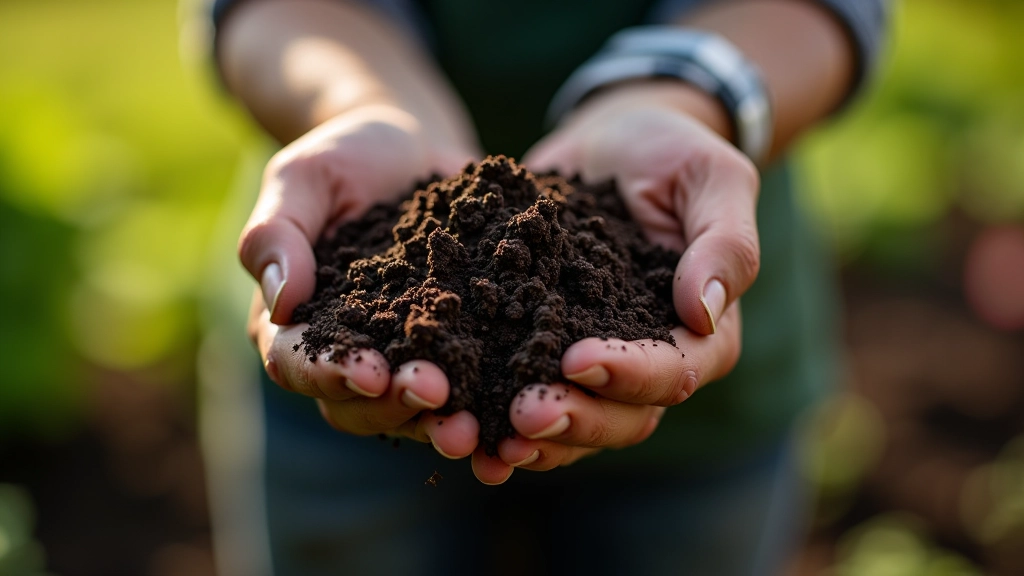
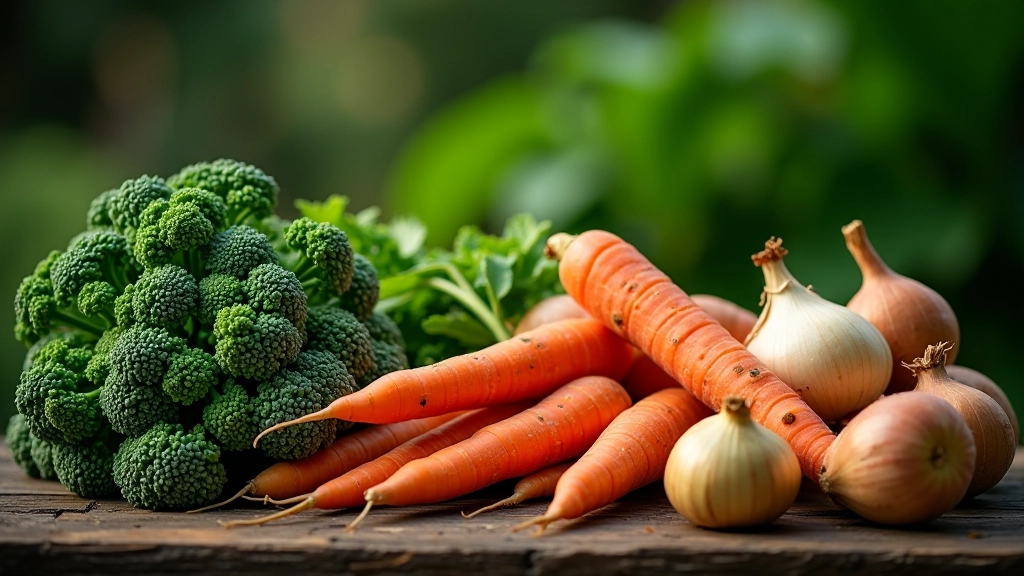
Not every vegetable thrives in British conditions, and that's fine — plenty do brilliantly. The old standbys work for a reason. Potatoes, onions, carrots, and brassicas (cabbages, broccoli, kale) practically grow themselves. These aren't glamorous, but they're reliable workhorses that produce consistently.
Tomatoes need a sunny, sheltered spot or a greenhouse. Runner beans flourish in warm summers. Lettuce and spinach love our cool springs and autumns — plant them for spring harvests and again in late summer for autumn picking. Courgettes are surprisingly forgiving if you've got decent drainage. Pumpkins and squash do well in the South and Midlands but struggle in Scotland.
Spring & Early Summer (April-June):
Peas, broad beans, lettuce, spinach, potatoes (second earlies), onions, garlic sets
Summer (June-August):
Runner beans, courgettes, tomatoes, French beans, sweetcorn, carrots, beetroot, turnips
Autumn & Winter (September-March):
Kale, broccoli, cabbage, Brussels sprouts, parsnips, leeks, swedes, winter lettuce
Managing Pests and Diseases in UK Gardens
Our damp climate creates conditions slugs absolutely adore. Powdery mildew loves warm, dry spells. Blight is a serious threat, especially for potatoes and tomatoes in wet summers. The good news? You don't need chemicals to manage most of this.
Copper fungicide works brilliantly for blight and is completely organic. Netting protects brassicas from cabbage white butterflies — incredibly effective and simple. Encourage natural predators: ladybirds eat aphids, ground beetles devour slug eggs, birds take out caterpillars. A diverse garden is your best pest control. Plant flowers among your vegetables, leave some rough areas, and you'll create a functioning ecosystem that handles most problems.