Seasonal Planting Calendars for England, Scotland, and Wales
Master the timing of your garden with region-specific planting guides that match your local climate and growing season.

Why Timing Matters in British Gardening
Getting your planting schedule right is the difference between a thriving garden and one that struggles. Thing is, the UK's climate varies significantly depending on where you live. England's southern regions enjoy warmer springs, Scotland faces shorter growing seasons, and Wales sits somewhere in between with its own microclimates.
We're going to break down exactly when you should plant what, depending on your location. You'll learn the frost dates that matter, the soil temperatures that signal it's safe to sow, and the varieties that perform best in your region. This isn't one-size-fits-all gardening advice — it's specific to where you actually live.
Spring Planting: The Growing Season Begins
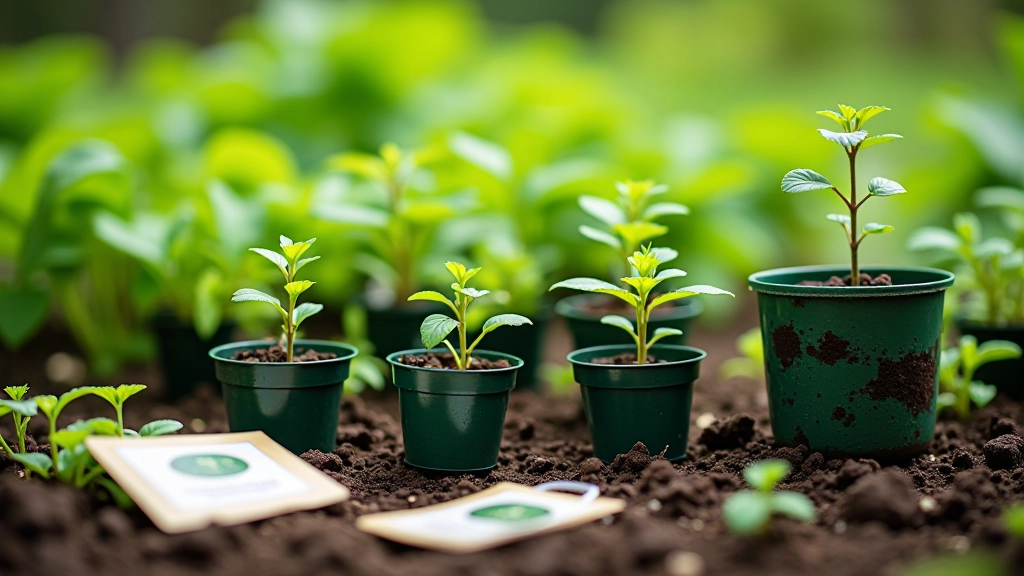
Spring's when things get exciting. But don't rush it — that's the biggest mistake new gardeners make. Last frost dates vary dramatically across the UK. In southern England, you're often clear by late April. Scottish gardeners typically need to wait until mid-May. Wales sits around early May for most regions.
Key Spring Dates: Direct sow hardy vegetables (peas, broad beans, onions) from February onwards. Wait for soil to warm before tender crops like courgettes and beans — aim for soil temps above 12°C.
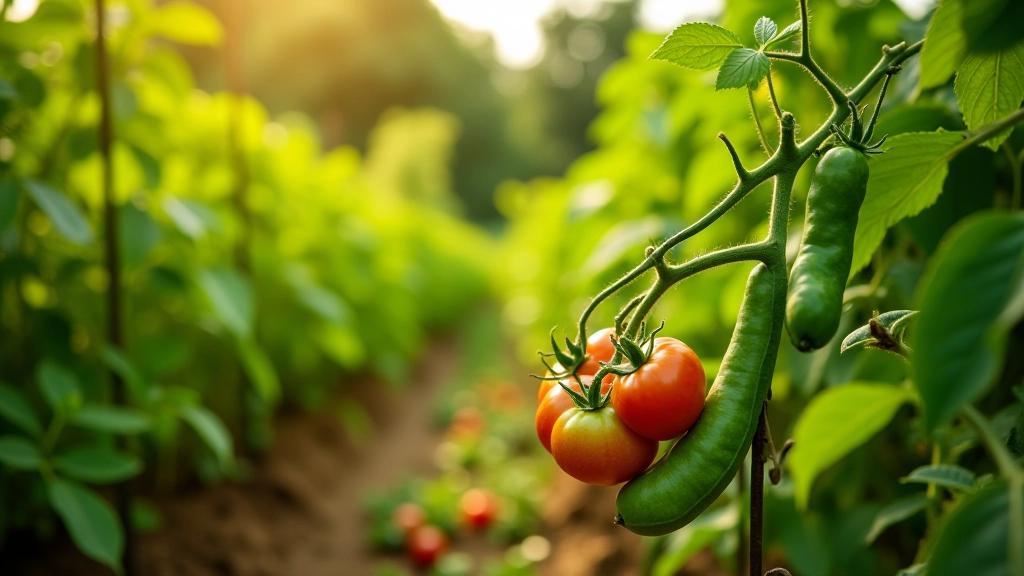
Start potatoes in March across most regions — they're forgiving and nearly impossible to get wrong. Tomatoes and peppers need starting indoors in late February if you want decent-sized plants by planting time. Early potatoes produce in June, main crops mature by September. That's the rhythm you're working with.
Summer: Maintenance and Succession Planting
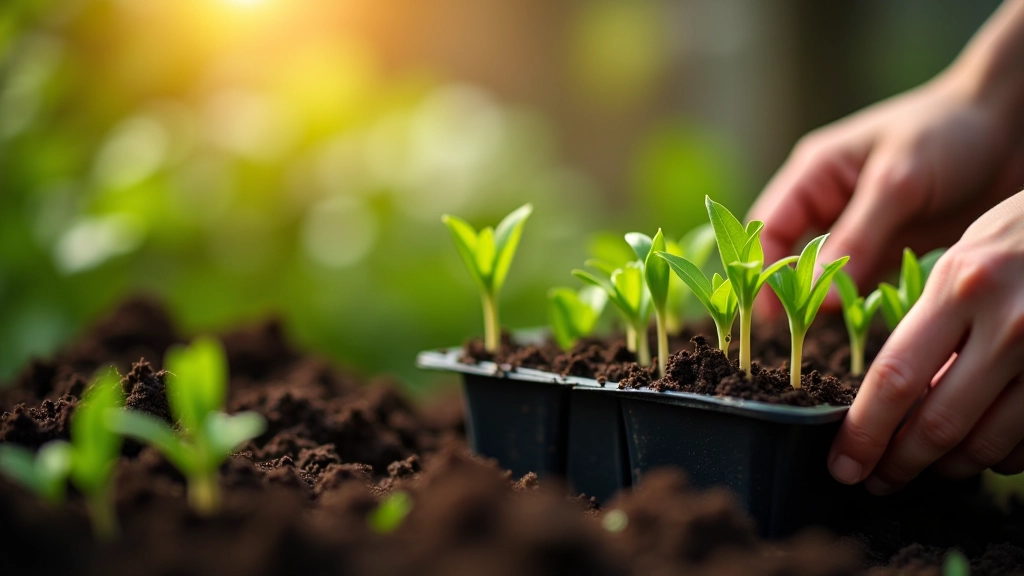
Once summer arrives, your spring plantings are established. Don't think you're done though. Succession planting keeps harvests flowing. Sow lettuce, radishes, and beans every two weeks from June through August. That way you're not overwhelmed with everything ripening at once.
This is also when you're dealing with heat stress in southern regions. Keep soil consistently moist — not waterlogged, but don't let it dry out completely. Scottish gardeners actually have an advantage here because cooler temps mean less watering. By mid-July, you can start thinking about autumn crops. Sow brassicas (cabbage, broccoli, kale) for autumn and winter harvests. These need a long growing season, so don't delay.
- Continue feeding established plants every 2-3 weeks
- Plant autumn brassicas by late July at the latest
- Succession sow quick crops weekly for continuous harvests
Autumn: Planting for Winter Harvests
Autumn's misunderstood. Most people think gardening stops, but it's actually one of the most productive seasons if you plan ahead. Your spring/summer plants are finishing. At the same time, your autumn-sown crops are reaching maturity. Kale, cabbage, parsnips, and winter carrots all thrive in the cooling weather.
By September, direct sow garlic cloves for next summer's harvest. Sow onion sets in late September. Plant broad beans in October for spring picking. The soil's still warm enough for germination, but the cooler air means plants won't bolt. In southern England, you can even sow hardy lettuce in late September for winter salads. Scottish gardeners should wrap up outdoor sowing by early October — frost comes earlier there.
1
August-September: Plant brassicas, root vegetables, and winter salads
2
September-October: Sow garlic, onions, and broad beans
3
October-November: Prepare beds for spring and protect hardy crops
Regional Variations: Know Your Zone
The UK's divided into distinct growing regions. Understanding yours means you're not guessing — you're following what actually works in your area.
Southern England
Warmest region. Last frost typically around late April. You'll get longest growing season — often until November for hardy crops. Tender plants like tomatoes thrive here. Challenge: heat stress in July/August requires consistent watering.
Key advantage: Earlier spring planting, longer autumn season
Midlands & Northern England
Last frost around mid-May. Growing season runs roughly May through October. This is where most standard UK gardening advice applies. Good for brassicas and root crops. Tender crops work but need earlier starting indoors.
Key advantage: Balanced season, fewer extremes
Scotland
Last frost mid-May or later depending on location. Growing season is shorter but intense. Cooler temps actually suit many brassicas and leafy crops perfectly. Tender plants need very early starting. Autumn comes earlier — plan accordingly.
Key advantage: Cool season crops excel, less watering needed
Wales
Variable depending on altitude and exposure. Coastal areas milder than inland. Last frost typically early May. Higher rainfall means better moisture retention but watch for waterlogging. Excellent for potatoes and brassicas.
Key advantage: Good moisture, excellent for specific crops
Important Note
These planting dates are guidelines based on typical UK climate patterns. Your specific microclimate — altitude, soil type, exposure, and local weather — will affect actual planting times. Always check your local weather forecast before planting. Local gardening groups and the RHS website offer region-specific guidance. This information is educational and based on general UK growing practices. Conditions vary year to year.
Making Your Calendar Work
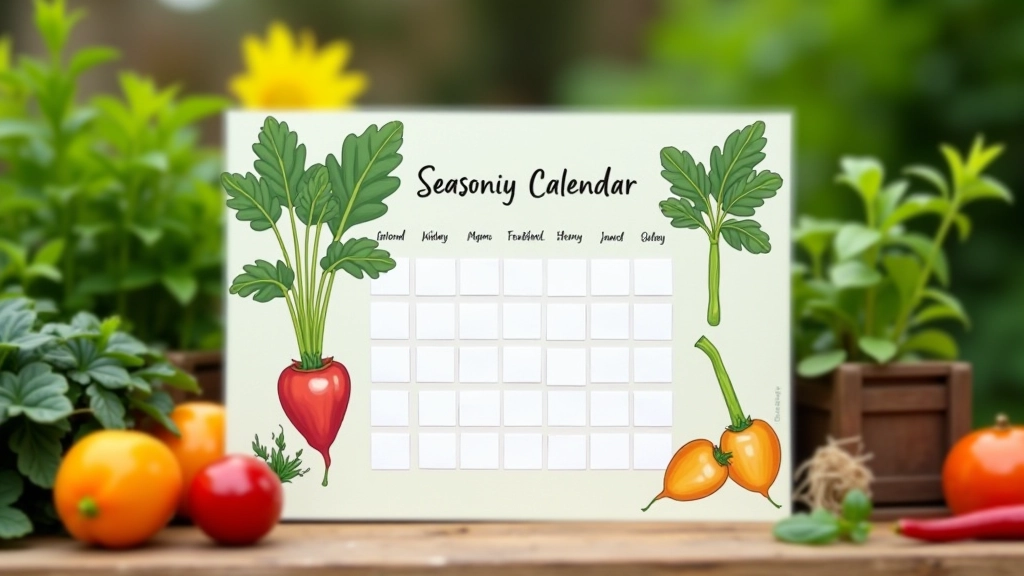
Here's the honest truth: you don't need a complicated system. A simple printed calendar with your local frost dates and key planting windows is enough. Write it down. Check it each month. After one full year, you'll know your garden's rhythm without thinking about it.
The best gardeners aren't following strict rules — they're observing their own plot and adjusting based on what they see. Start with these guidelines. Next year, refine them based on what actually happened in your garden. That's when it gets fun. You're not fighting your climate anymore. You're working with it.
Explore More Gardening Resources
Ready to dig deeper into UK gardening? Check out our complete guides on starting allotments, RHS beginner resources, and growing vegetables in the British climate.
Browse All GuidesRelated Guides