
RHS Beginner Growing Guides Explained
Everything you need to know about using Royal Horticultural Society resources to start growing your own vegetables and plants

Getting Started With RHS Resources
The Royal Horticultural Society's beginner guides aren't just helpful — they're genuinely designed for people who've never grown anything before. If you're standing in your garden wondering where to start, or you've killed a few houseplants and think you're not cut out for growing things, these guides will change your mind.
What makes RHS guides different is they're written by people who actually garden in Britain. They understand our weather, our soil types, and the reality of fitting gardening into a busy life. You won't find vague advice about "sunny locations" — instead you'll get specific guidance about how many hours of direct sunlight your tomatoes actually need.

The Different Types of RHS Beginner Guides
RHS doesn't do a one-size-fits-all approach. They've created separate guides for different gardening interests, and knowing which ones exist will save you hours searching online.
Vegetable Growing Guides
Specific instructions for individual crops — tomatoes, lettuce, beans, carrots, and about 40 others. Each guide tells you when to sow, how deep, spacing, and what can go wrong.
Seasonal Guides
What to do in your garden right now — whether it's spring, summer, autumn, or winter. These guides keep you from the common mistake of trying to plant things completely out of season.
Problem-Solving Guides
Your plants look sick? You're getting pests? These guides help you diagnose the actual problem instead of guessing and making it worse.
Key Techniques From RHS Guides That Actually Work
RHS guides focus on practical, proven techniques rather than trendy gardening hacks. Here's what you'll actually learn and use:
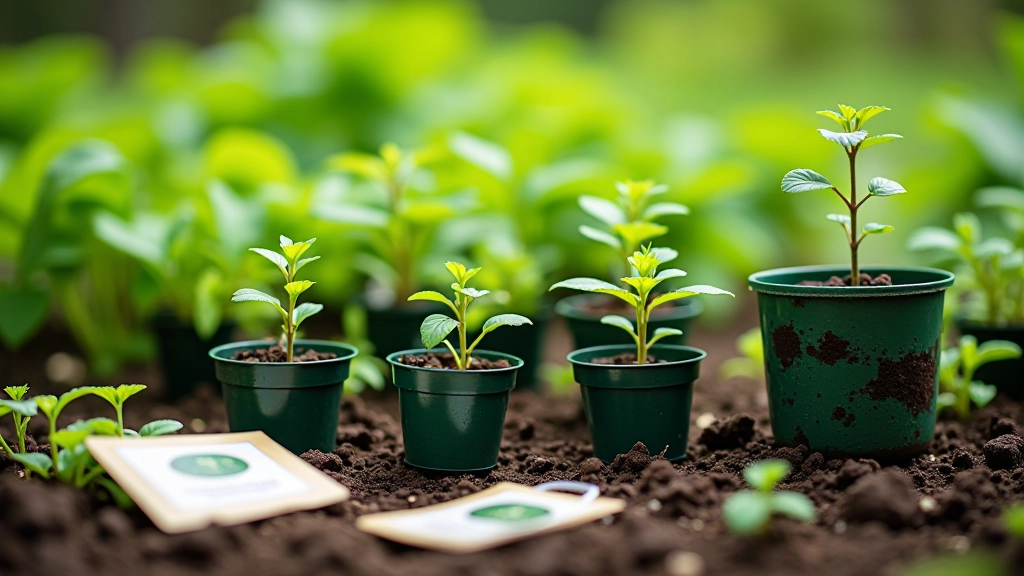
Hardening Off: This is the process of gradually introducing seedlings to outdoor conditions. It sounds fussy, but it's the difference between plants thriving and wilting. RHS guides give you the exact schedule — usually 7-10 days starting with 1-2 hours outside.
The guides also cover soil preparation properly. Not just "add compost" but explaining pH levels, drainage, and how to improve your specific soil type. If you've got heavy clay soil (common in the Midlands), they tell you exactly how much compost to work in and what will actually break down that clay.
Spacing gets detailed treatment too. Most beginners either plant everything too close (fighting for water and nutrients) or too far apart (wasting space). RHS gives you specific measurements for each crop, and explains why that spacing matters.
How to Actually Use These Guides (Not Just Read Them)
Reading an RHS guide and using it properly are two different things. Here's how to get real results:
Pick Your Crop in Advance
Don't buy seeds in April and wonder when to plant them. Choose what you want to grow 2-3 weeks before you're ready to start. Read the full guide, make notes on your timeline.
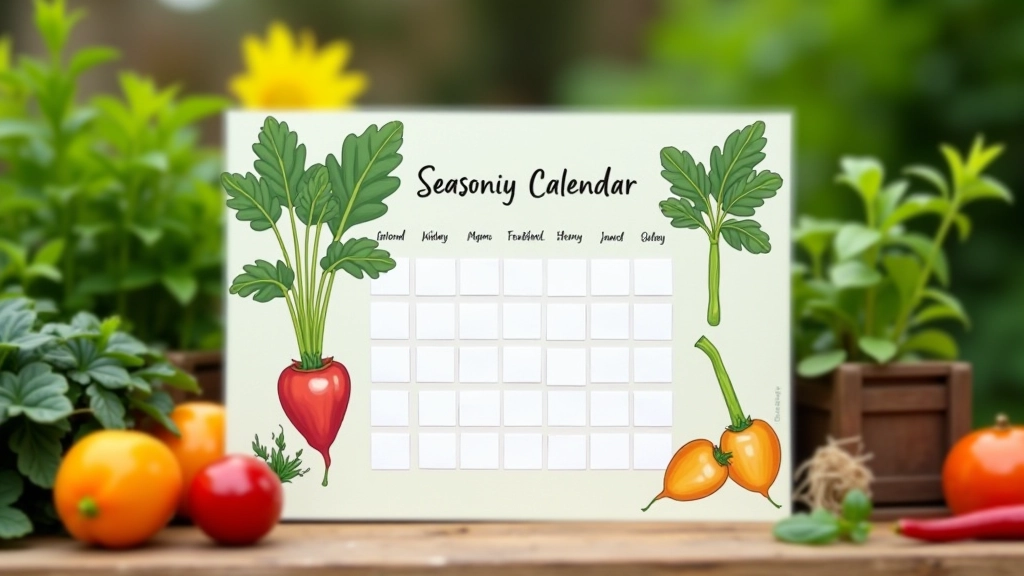
Create a Planting Calendar
Write down key dates from the guide — sowing date, transplanting date, expected harvest. Stick it on the fridge. You'll actually remember to do things when they need doing.
Keep the Guide Handy
Print it or bookmark it on your phone. When something looks wrong with your plants, you'll reference the "problems" section and catch issues early.
Don't Skip the Soil Bit
Most beginners skim past soil preparation. That's the mistake. RHS guides explain why soil prep matters for your specific crop, and it genuinely determines success or failure.
Important Note
This article provides educational information about RHS beginner growing guides and general gardening concepts. While the techniques and approaches described are research-backed and widely used by UK gardeners, individual results will vary based on local climate, soil conditions, and specific circumstances. For specific plant health concerns or if you notice significant pest infestations, consider consulting with local horticultural advisors or your regional RHS center. Growing conditions differ across England, Scotland, and Wales, so always adapt guidance to your specific location.
Start With What Interests You
The beauty of RHS guides is you don't need to become a master gardener overnight. Pick one crop you actually want to eat or grow, find the guide, and follow it properly. That's genuinely how most successful gardeners start — not with a master plan, but with one thing they wanted to grow and the determination to get it right.
You'll make mistakes. Everyone does. But with RHS guides, you're learning from decades of experience with British growing conditions. That's worth far more than trial and error on your own.